![AngloGold Ashanti [logo]](https://www.anglogoldashanti.com/wp-content/uploads/2021/05/logo.svg)
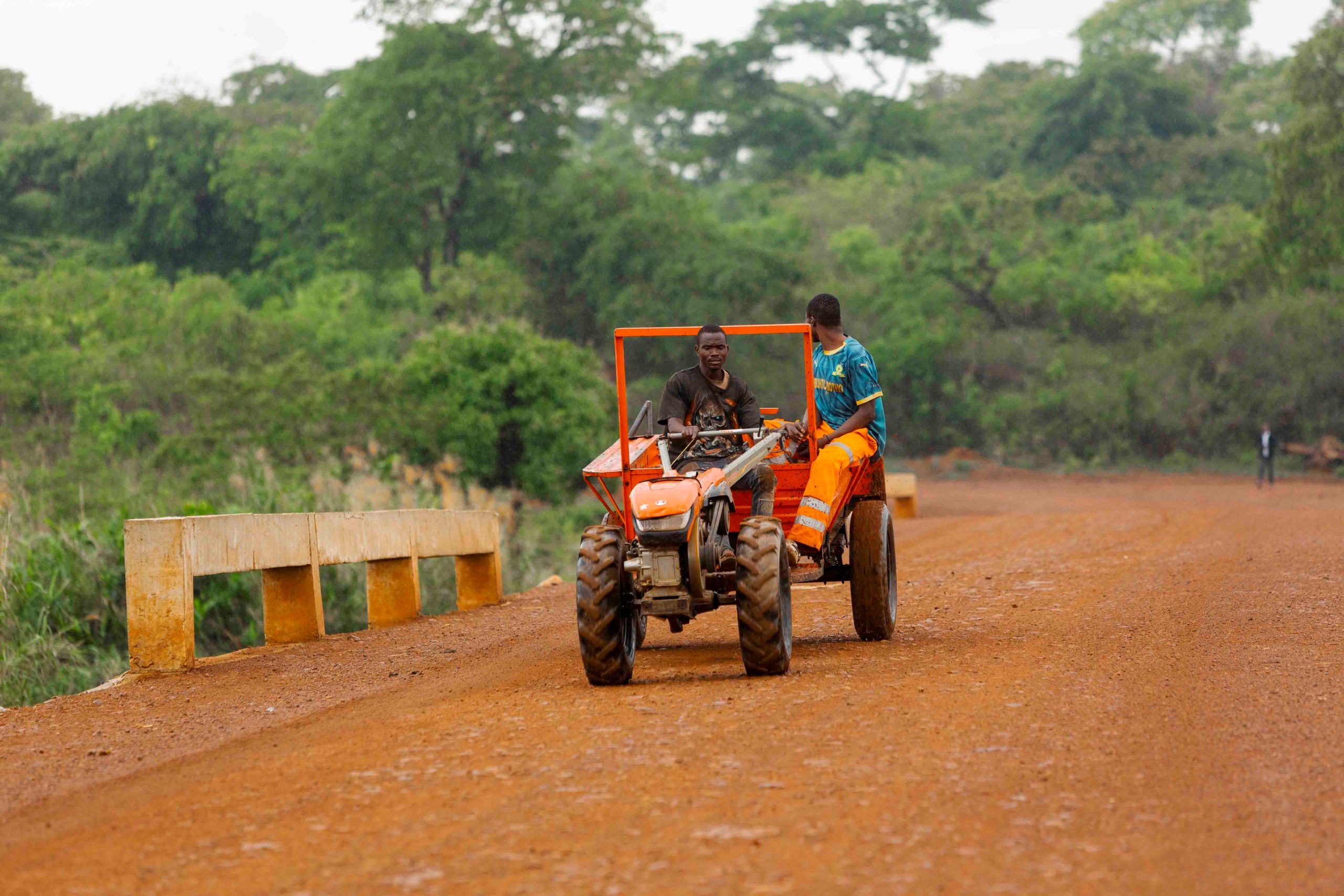
We recognise that the long-term success of our operations is intrinsically linked to the strength, inclusion and wellbeing of the communities and host countries in which we operate.
Guided by our purpose of empowering people and advancing societies, we work in partnership with stakeholders to build trust, strengthen local and regional capacity, and contribute to sustainable social and economic development.
Supporting community resilience
Building community resilience is a key pillar of our community relations and social performance approach. In pursuing our goal of creating a legacy of shared value that extends beyond the life of our mines, we focus on nurturing strong, trust-based relationships with communities.
At the heart of legitimacy and acceptance lies consent and meaningful engagement, which takes place through formal and informal forums, planned and ad hoc engagements, and public events. We also maintain local access points through community offices.
Key engagement themes include local employment and procurement opportunities, the selection and implementation of community development projects, ASM and illegal mining activities, rights, land access and resettlement, grievance resolution and community safety.
Our community investments are informed by our communities and interaction with government authorities at local, regional and national levels. This aligns our community initiatives with broader development plans.
The rights of indigenous peoples
We respect the rights, interests, cultures and self determination of indigenous peoples and communities where we operate. We recognise their traditional knowledge systems, deep connection to the environment and the importance of protecting their heritage, identity and livelihoods.
Customary land tenure and traditional land-use practices inform our approaches to land access, compensation, livelihood restoration, and resettlement planning. Cultural heritage and sacred sites are managed through collaborative cultural heritage management plans and indigenous stakeholders have access to culturally appropriate grievance mechanisms and remedy pathways.
We support self-determined development by working in partnership with indigenous communities to co-design socio-economic programmes aligned with their priorities.
Initiatives may include health, education, employment, supplier development, cultural preservation and enterprise support, with a focus on strengthening long-term resilience beyond the life of mine.
For further information, refer to the 2025 Sustainability report: Supporting community resilience and the rights of indigenous peoples

Human rights and security
AngloGold Ashanti has an unwavering commitment to respecting human rights across every aspect of its business. We do not tolerate rights abuses in any form, and it is paramount that our employees, contractors and supply chain understand what must be done to protect human rights and what steps must be taken to remedy any violations.
The challenges faced across our operations remain complex, with heightened risks stemming from political instability, poverty, inequality, terrorism, and the rise of artisanal and small-scale (ASM) and illegal mining activities.
Guided by the UN’s Guiding Principles on Business and Human Rights, and the Voluntary Principles on Security and Human Rights, we integrate human rights due diligence into strategic decision making, risk management, and daily operational practice.
We maintain an accessible grievance mechanism and site-specific grievance processes exist for employees and communities to report concerns related to human rights infringements, among other matters.
Our Human Rights Governance Framework is primarily informed by the UNs Global Principles on Business and Human Rights and adopts its policy of protect, respect, remedy. As we continue to ensure clearer alignment with international human rights and humanitarian law, we have worked to strengthen our human rights due diligence process, which focuses on sharpening risk prioritisation and embedding stronger expectations for contractors and suppliers.
In parallel, we have refined the implementation of our prevention of modern slavery commitments in conjunction with our supply chain through independent third-party assessment of high-risk suppliers.
For further information, refer to 2025 Sustainability Report: Respecting human rights and security
Human Rights Framework
These five pillars of our Human Rights Framework guide us in the work we do to respect human rights across every aspect of our business.
Risk management
Human rights risks are integrated into our broader risk management process to help to ensure that sustainability risks are properly represented and managed. We understand that human rights risks relate to the rights of all human beings to being treated with dignity, without discrimination, whatever their nationality, place of residence, sex, national or ethnic origin, colour, religion, language or other status.
Training and communications
Ensure that all employees, contractors, supply chain and communities have an understanding of AngloGold Ashanti’s commitment to respecting human rights, and key messages across Group, business unit and operational levels must be advocated and supported by all.
Grievance mechanisms
Aligned to international norms and standards, our AngloGold Ashanti grievance mechanism standards and procedures are central to the Humen Rights Framework. All aspects of our work are continuously monitored and refined to ensure respect for human rights and all reasonable and fair access to redress/remedy is provided.
Supply chain
Tangible steps to guard against and eliminate issues related to human rights impacts and modern slavery in our supply chain forms an integral part of our firm commitment to respect human rights.
Engagement
An integrated, inclusive stakeholder engagement process (internal and external) across the project lifecycle is a cornerstone of the HuRi framework, to help to ensure all potential human rights risks are identified and appropriately addressed.
Policies and standards
Empowering communities
Human rights
-
Group policy: Asset Security and Value Protection
-
Group Policy: Health, Safety and Security
-
Group Standard: Security
Performance in 2025
Community investment ($m)
Community investment spend focus areas (%)
Community incidents (number)
-
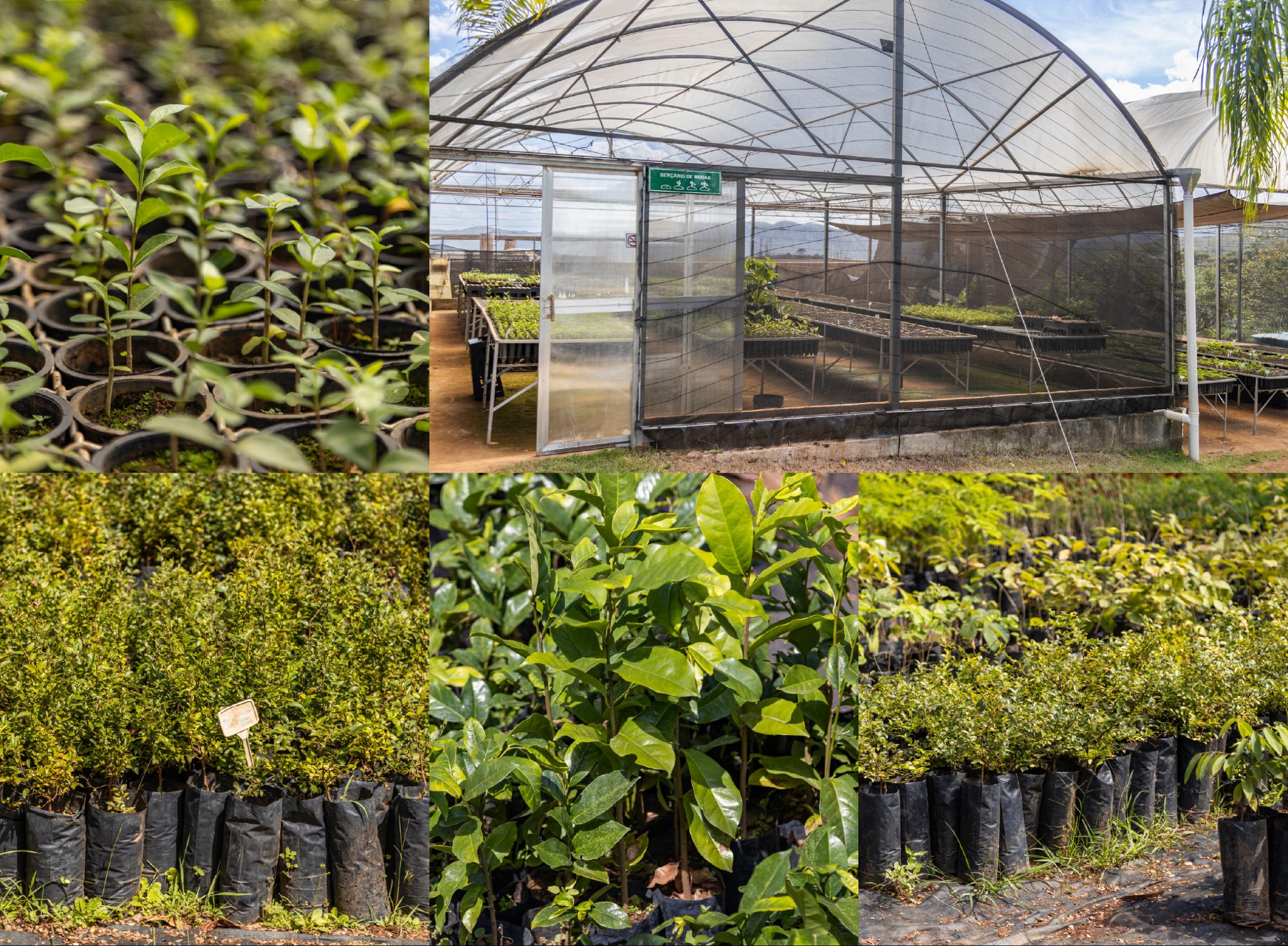
Cuiabá community-environment partnership in Brazil reaps rewards
Learn more: Cuiabá community-environment partnership in Brazil reaps rewards -
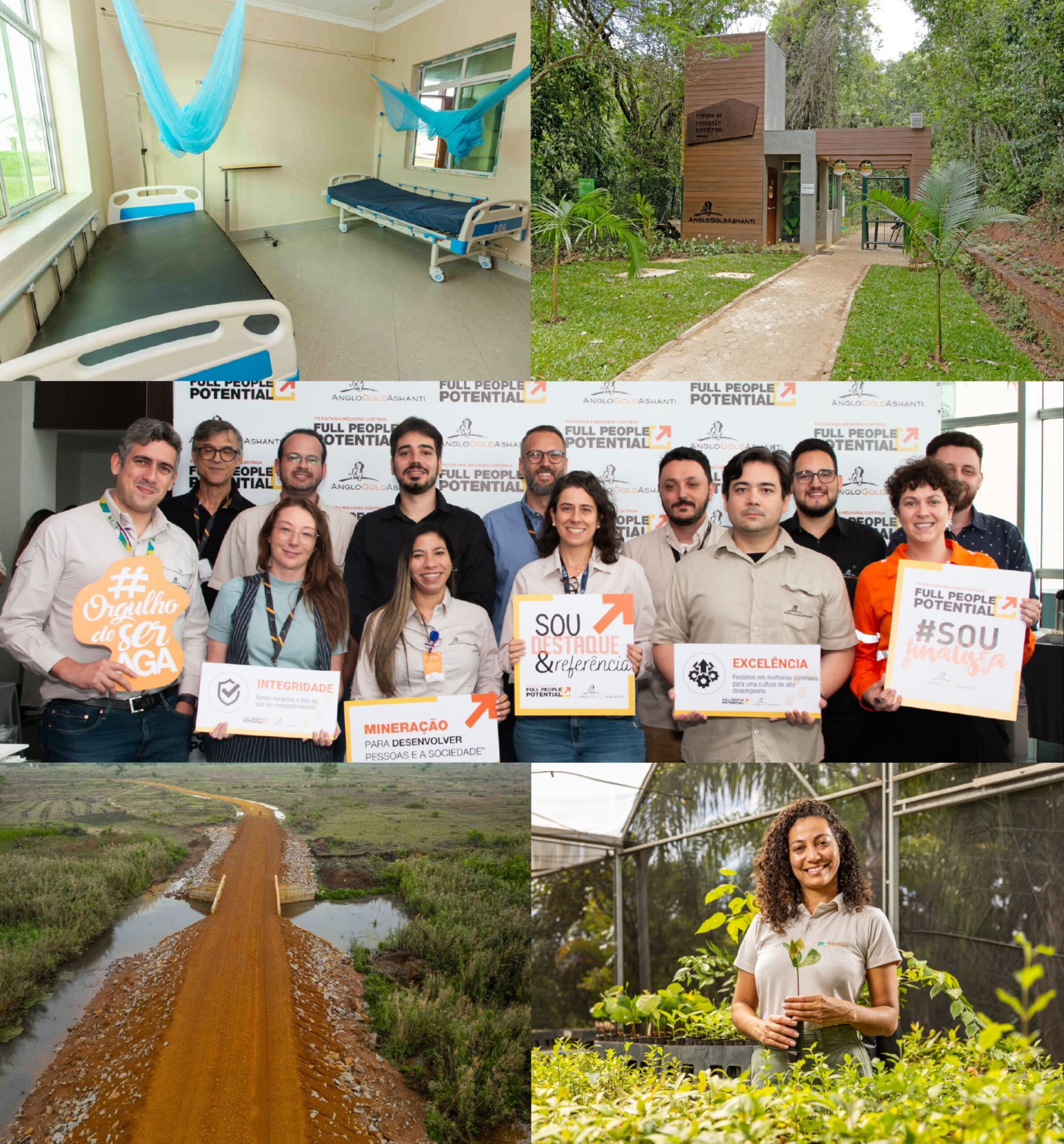
Applying FAP methodology to socio-economic development plans to ensure local ownership and value creation
Learn more: Applying FAP methodology to socio-economic development plans to ensure local ownership and value creation -

Apprenticeship Programme reaps rewards at Sukari
Learn more: Apprenticeship Programme reaps rewards at Sukari -

Honouring our legacy through education
Learn more: Honouring our legacy through education