![AngloGold Ashanti [logo]](https://www.anglogoldashanti.com/wp-content/uploads/2021/05/logo.svg)
Climate change presents a complex landscape of challenges for the mining industry, ranging from direct physical impacts on operations to the systemic risks associated with a low-carbon transition.
Our approach to identifying and minimising these risks is framed by our Climate Change Strategy, which integrates climate considerations directly into our strategic and operational planning. This strategy, together with our Decarbonisation Strategy, seeks to ensure that we work to insulate our operations against the physical climate risks that may impact both our operations and host communities, implement appropriate climate disclosure systems while maximising further opportunities for cost-saving energy efficiency programmes.
Embedded in our Decarbonisation Strategy is our net zero roadmap, which charts the pathway to net zero Scope 1 and Scope 2 GHG emissions by 2050. This roadmap outlines a multi-pronged approach involving the implementation of renewable energy projects; electrification of our mining fleet; and the use of lower-emission power sources.
Embedded within our strategy is our net zero roadmap that sets out our pathway to net zero Scope 1 and Scope 2 GHG emissions by 2050.
To read more about these strategies, refer to the 2025 Sustainability Report: Climate action and pursuing resilience
Carbon emissions reduction pipeline

Policies and standards
-
Management Standard: Air Quality
Related reports
- 2025 Sustainability report
PDF, 46MB - 2025 ESG Data Workbook
PDF, 2MB
Roadmap to Net Zero
Our Decarbonisation Journey
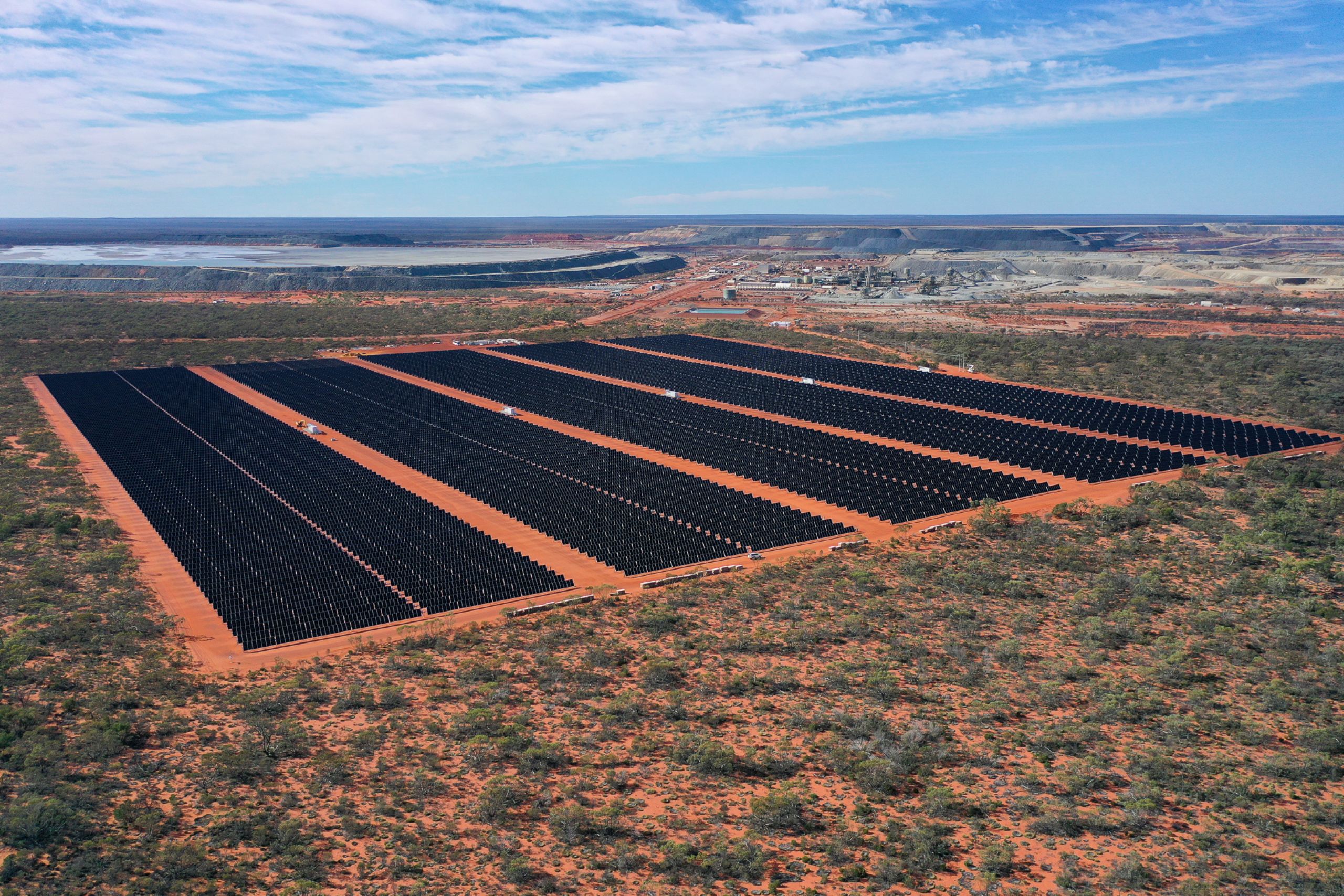
Tropicana Hybrid Renewable Energy Plant

Linking to the TANESCO grid at Geita
With the aim of replacing a significant portion of its diesel generated power at the site with grid power, AngloGold Ashanti worked closely with the government of Tanzania through its power utility, TANESCO to implement the project.
TANESCO financed a 6.1km electricity distribution line (220/33kV) from its Mpomvu substation to a purpose-built substation at the mine while GGML financed and constructed the on-site 33/11kV 80MVA mine substation. The mine will draw an average load of 32 – 34MW, satisfying most of its underground mining and processing power requirements.
TANESCO’s generation system is made up mainly of hydro and thermal-based generation, with thermal power from natural gas making up the largest share of its grid power generation.
The national grid generation mix comprises 65.35% hydropower and a 34.24% thermal component, largely derived from lower-emission natural gas.
This increased availability of renewable energy elevated the project’s total annual emissions reduction to 72,000t. Critically, this strategic shift is currently displacing approximately 80% of Geita’s diesel consumption for power.
Performance in 2025
AngloGold Ashanti set its first emissions reduction targets in 2008, which were met in 2018 and by 2021, we had achieved a 47% reduction in GHG emissions intensity through some fuel switching and efficiency improvements but also due to the closure and divestment of assets.
However, the acquisition of Centamin in late 2024 prompted the adjustment of our 2021 decarbonisation baseline to reflect our larger global portfolio. Our original 2021 Scope 1 and 2 baseline of 1.383 million tonnes of GHG emissions equivalent has been restated to 1.861million tonnes.
By maintaining our 2030 reduction percentage targets against this restated baseline, our absolute commitment for 2030 was adjusted to 1.303 million tonnes of GHG emissions.
In 2025, our absolute Scope 1 and Scope 2 GHG emissions totalled 1.806Mt, lowering our GHG emission intensity by 4.83% to 33.50tCO2e/t of ore treated.
GHG emissions intensity (kilograms of GHG per tonne treated)
Scope 1 & 2 GHG emissions (Million tonnes)
Energy consumption (petajoules)
Energy intensity (gigajoules per tonne treated)
For further information, refer to 2025 Sustainability Report: Climate action and pursuing resilience
-

Renewable energy to deliver reduced carbon emissions for Tropicana
Learn more: Renewable energy to deliver reduced carbon emissions for Tropicana -
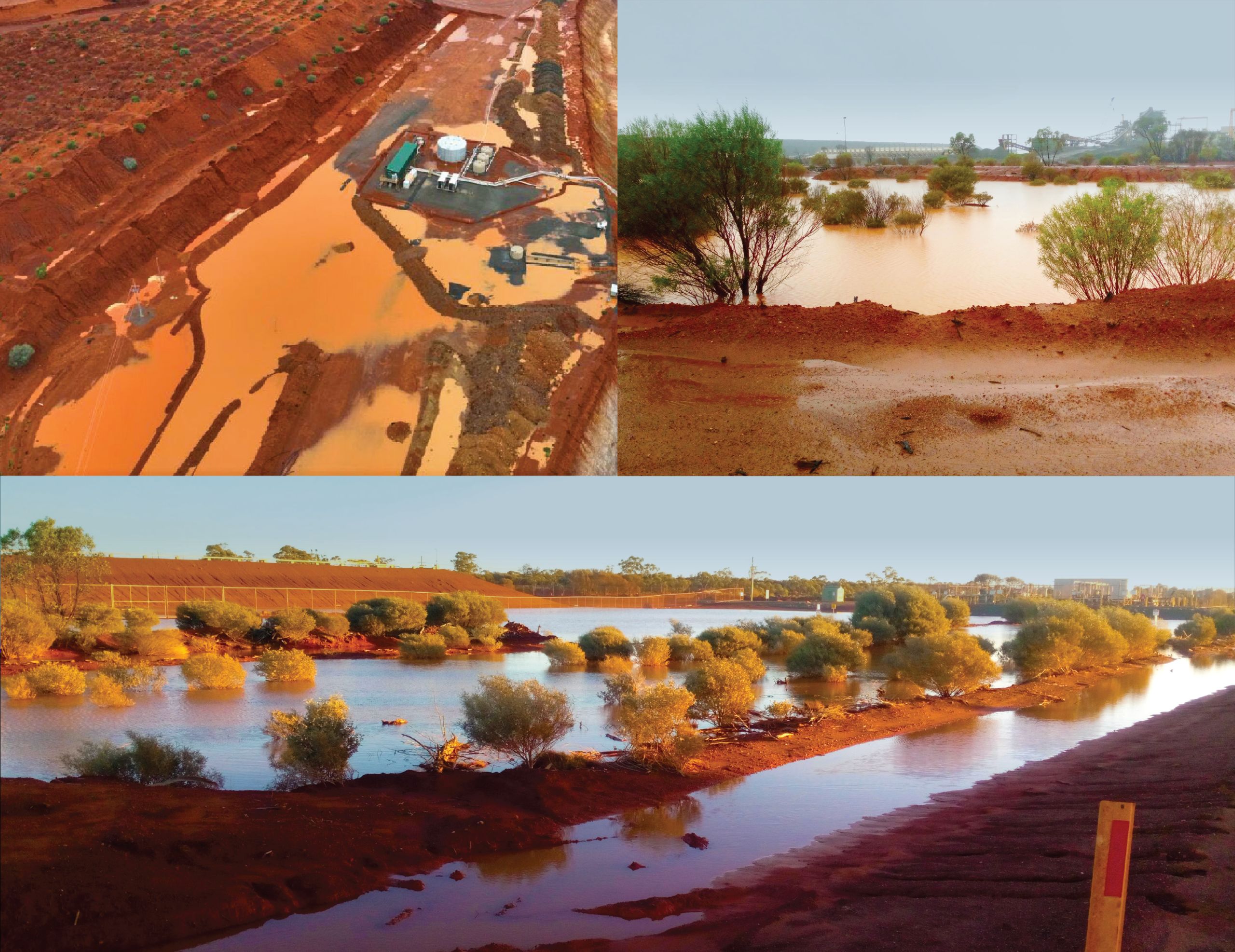
Weather event provides opportunity to implement learnings and best practice
Learn more: Weather event provides opportunity to implement learnings and best practice -
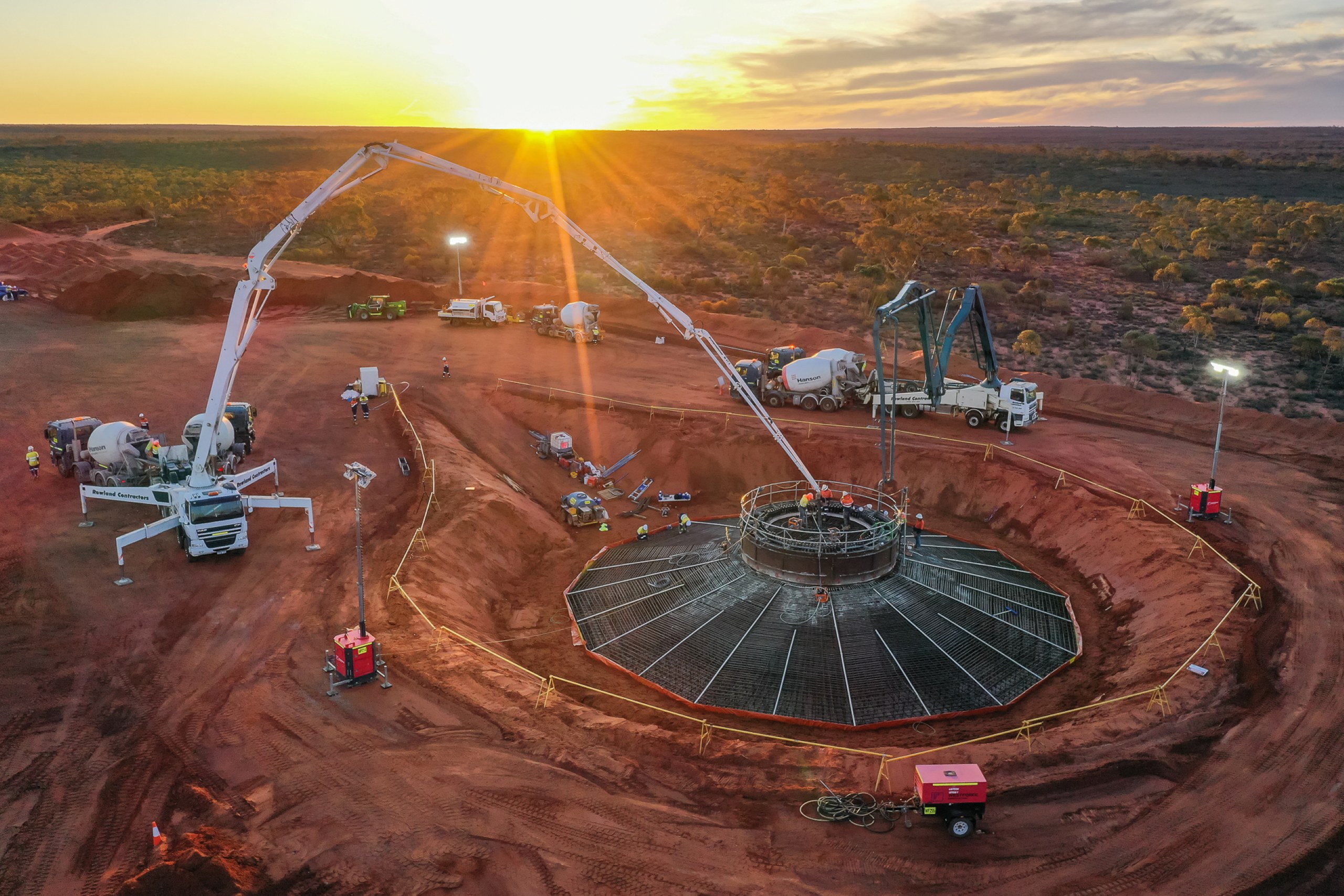
Powering Sustainability: Tropicana’s journey with hybrid renewable energy
Learn more: Powering Sustainability: Tropicana’s journey with hybrid renewable energy -
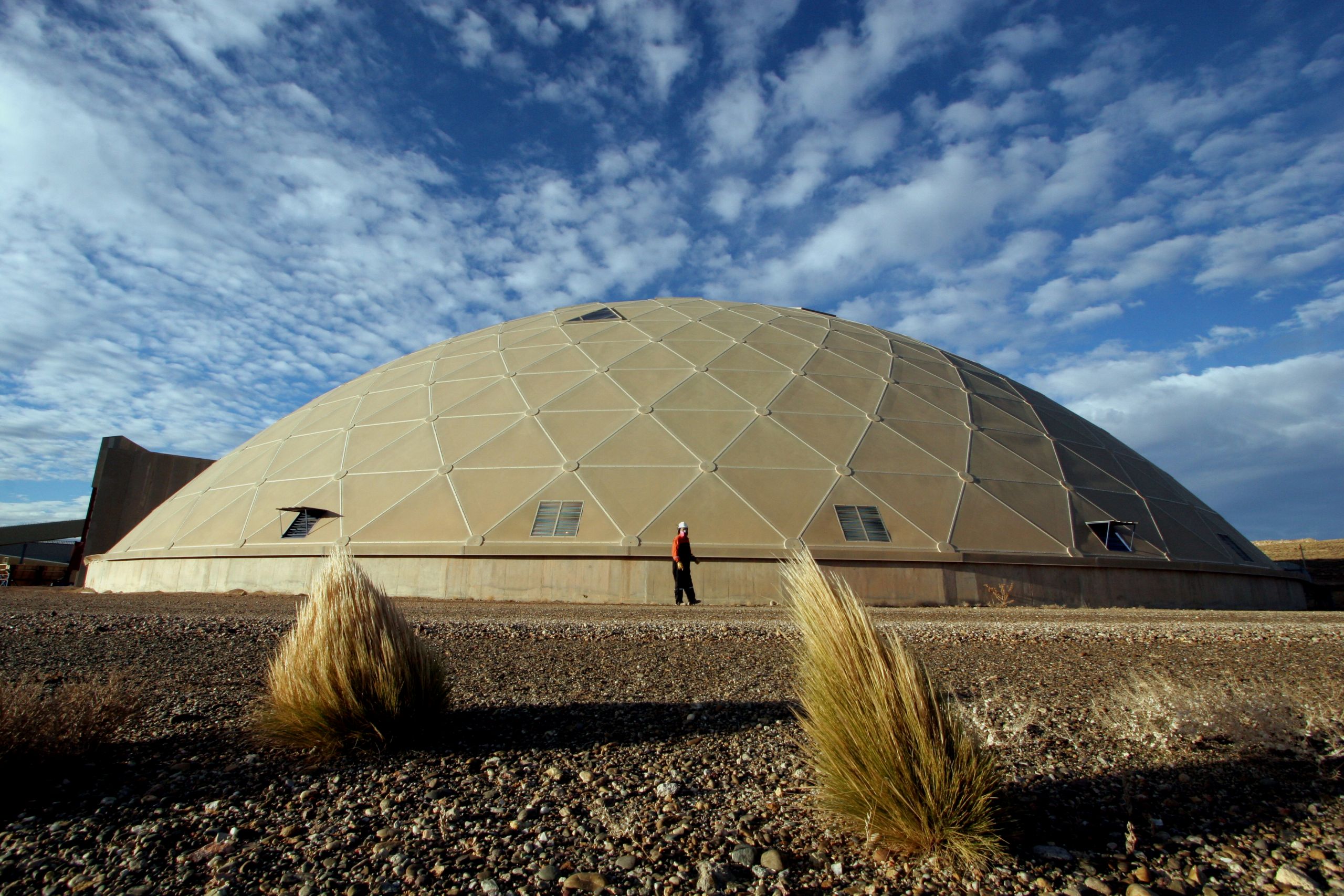
Taking action on climate change
Learn more: Taking action on climate change